
Weekly eNews

Dr Ray Swann
Deputy Headmaster, Head of the Crowther CentreOur students have made a strong start to their learning in Term 2, with many assessments already underway, along with some fantastic co-curricular events – winter sport, production rehearsals, house choral rehearsals and music concerts.
It is always inspiring to see boys adopting a growth mindset and challenging themselves to try new activities. As part of our commitment to the three-cornered partnership between teachers, students and parents, we have been working hard behind the scenes to bring you some exciting parent events in the coming weeks.
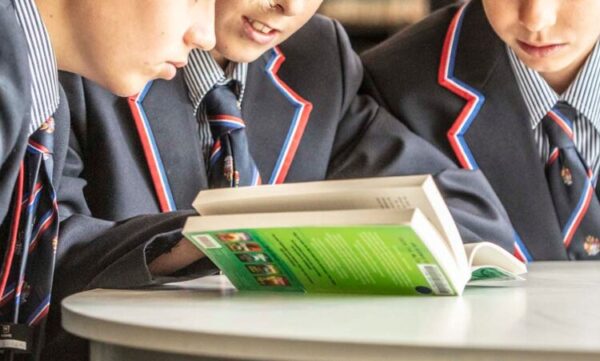
Highlighting our continued focus on literacy and our work to inspire a love of reading among students, we are thrilled to be hosting our wonderful Year 7 and Year 8 parent / son book clubs on May 13 and May 20.
Next week, Kristen Molloy, Assoc. Head of the Crowther Centre (Literacy and Engagement), along with Amy Atchison (Head of VCE Programs) and myself are meeting with the Year 12 parents and boys to discuss strategies to minimise stress in Year 12.
Term 2 is traditionally a time when the novelty and excitement of being in Year 12 can wane; the workload consistently builds, and there are multiple assessments to juggle. While some stress in Year 12 is inevitable, we can develop strategies to better manage these times and instead aim for sustained effort and motivation.
We understand that many boys will have an English SAC next Wednesday afternoon, but we encourage them to go for a walk after the SAC, enjoy an early dinner and then join their parents for an interactive workshop.
You can register for these events below.
If you have any areas of learning you would like to hear more about, please reach out to the Crowther team.
Dr Ray Swann
Deputy Headmaster
Head of the Crowther Centre
Reading and Year 7 and 8 Book Clubs
Reading is good for boys. Reading for pleasure, particularly fiction, is correlated with higher standardised test scores across all academic subjects, including maths (yes!). Reading builds vocabulary, which in turn improves comprehension. Readers not surprisingly, tend to write better than non-readers. There is evidence that reading promotes empathy and tolerance. And there is no doubt that reading can teach us about ourselves.
Attitudes to reading are predominantly created in the home. If young people have positive associations with reading, they are more likely to read more.
Reading, telling stories and talking together allow our boys to experience the world from different perspectives. With that in mind, we look forward to seeing you and your boys at our up-coming book clubs for some great laughs and conversations.
Kristen Molloy
Associate Head of Crowther Centre, Literacy and Engagement